
Elevate Your Space: Creative Ways to Display Your Plants at Home
Plants have become an essential element of modern interior design, transforming ordinary spaces into vibrant, living environments that promote wellness and aesthetic appeal. Whether you're a seasoned plant enthusiast or just beginning your green journey, the way you display your plants can dramatically impact the overall look and feel of your home. At CoreySnyder, we understand that displaying plants is not just about placing them in pots on windowsills; it's about creating a curated collection that reflects your personal style while maximizing the health and beauty of your botanical companions.
The art of plant display has evolved significantly over the years, moving beyond traditional methods to embrace innovative and creative approaches that turn plants into stunning focal points within any room. This comprehensive guide will explore numerous ways to elevate your space through thoughtful plant placement, creative display solutions, and design strategies that work harmoniously with your existing décor.
Understanding the Importance of Plant Display
Before diving into specific display methods, it's crucial to understand why the way you present your plants matters so much. Plants serve multiple purposes in our homes: they improve air quality, boost mental health, add visual interest, and create a connection to nature. However, these benefits are amplified when plants are displayed thoughtfully and strategically throughout your space.
The right display method can transform a single plant from a simple decorative object into a statement piece that draws the eye and sparks conversation. When plants are properly displayed, they become integrated into your interior design scheme rather than appearing as afterthoughts. This integration creates a cohesive, intentional aesthetic that elevates the entire room.
Moreover, proper plant display ensures that your botanical friends receive adequate light, air circulation, and accessibility for watering and maintenance. A well-displayed plant is typically a healthy plant, as it's positioned in an optimal location where you can monitor its needs and provide appropriate care.
Wall-Mounted Plant Displays
One of the most transformative ways to display plants is by utilizing vertical wall space. Wall-mounted displays are perfect for small apartments, limited floor space, or anyone looking to create a dramatic focal point in their home.
Floating Shelves with Plants
Floating shelves offer a clean, modern aesthetic while providing practical display space for your plant collection. Install shelves at varying heights to create visual interest and accommodate plants of different sizes. This approach works particularly well in living rooms, bedrooms, or home offices where you want to draw attention to a specific wall.
When arranging plants on floating shelves, consider the growth patterns and light requirements of each species. Place trailing plants near the edges so they can cascade gracefully over the shelf, while upright plants can anchor the center. Mix different pot styles and sizes to create a dynamic, curated look that feels intentional rather than random.
Wall-Mounted Planters
Wall-mounted planters come in countless styles, from minimalist geometric designs to ornate ceramic pieces. These planters can be arranged in grids, scattered asymmetrically, or clustered together to create a living wall effect. Succulents and small trailing plants work particularly well in wall-mounted planters, as they require less frequent watering and adapt well to vertical growing conditions.
Macramé Plant Hangers
Macramé plant hangers bring a bohemian, artisanal quality to any space. These handcrafted holders can be suspended from ceiling hooks, creating layers of greenery that draw the eye upward and make rooms feel taller. Macramé works beautifully with trailing plants like pothos, string of pearls, or philodendrons, allowing their vines to cascade naturally while adding texture and warmth to your décor.
Living Walls and Vertical Gardens
For those ready to make a bold statement, living walls represent the ultimate in plant display. These installations feature multiple plants arranged densely on a wall, creating a lush, immersive green backdrop. Living walls can be achieved through modular planting systems, pocket planters, or custom installations. While they require more maintenance and investment than other display methods, the impact is undeniably stunning.
Floor-Based Display Solutions
While vertical displays capture attention, floor-based plant arrangements create a grounded, welcoming atmosphere that anchors a room's design.
Plant Stands and Pedestals
Plant stands elevate your botanical displays both literally and figuratively. Available in various heights, materials, and styles, plant stands allow you to position plants at eye level, making them more prominent in your space. Tiered plant stands can hold multiple plants, creating a sculptural arrangement that serves as a focal point in corners or beside furniture.
Wooden plant stands bring warmth and natural texture, while metal stands offer a contemporary or industrial aesthetic. Choose stands that complement your existing furniture and décor style. A tall, slender stand works well in tight spaces, while wider, more substantial stands can anchor larger areas.
Ladder Shelves
Ladder shelves have become increasingly popular for plant display, offering a casual, approachable aesthetic that works in various interior styles. These shelves provide multiple levels for arranging plants of different heights and sizes. The open design of ladder shelves allows light to pass through, making them ideal for rooms with limited natural light.
Arrange plants on ladder shelves by creating a balanced composition: place larger plants on lower shelves for stability, and smaller plants higher up. This arrangement creates visual flow and prevents the display from feeling top-heavy.
Tiered Plant Stands
Tiered plant stands create dramatic height variation within a compact footprint, perfect for displaying collections of smaller plants. These stands work beautifully in entryways, on patios, or in corners where you want to create visual interest without taking up much floor space. The tiered design naturally draws the eye upward, making rooms feel more spacious.
Grouping Plants by Size
One of the most effective floor-based display strategies is grouping plants by size to create a cohesive arrangement. Cluster several plants of varying heights together to form a living corner or room divider. This approach creates impact while making maintenance easier, as you can water and care for multiple plants in one location.
Creative Container Solutions
The containers you choose for your plants are just as important as the plants themselves. Creative containers can transform the entire aesthetic of your plant display.
Ceramic and Pottery Planters
Ceramic and pottery planters offer endless design possibilities, from minimalist modern designs to hand-painted artistic pieces. These containers add personality and warmth to your plant displays. Consider mixing different ceramic styles and colors to create a curated, intentional look that reflects your aesthetic preferences.
Concrete and Cement Planters
Concrete planters bring an industrial, contemporary edge to plant displays. Their neutral color palette works well with various interior styles, and their substantial weight makes them ideal for larger plants. Concrete planters age beautifully, developing character over time as they weather naturally.
Woven Baskets
Woven baskets offer a natural, organic aesthetic that complements bohemian and rustic interior styles. These baskets can hold plastic nursery pots, creating a softer appearance while protecting your floors from water damage. Woven baskets work particularly well for trailing plants, as the natural fibers complement the organic growth patterns of cascading foliage.
Vintage and Upcycled Containers
For an eclectic, personalized approach to plant display, consider using vintage containers or upcycled items. Old teapots, mason jars, vintage tins, or repurposed furniture pieces can become unique planters that tell a story and add character to your space. This approach is not only creative but also environmentally conscious.
Hanging Planters
Hanging planters allow you to display plants at various heights throughout your space. From simple rope hangers to elaborate macramé designs, hanging planters create visual interest and maximize space utilization. Trailing plants like string of pearls, pothos, or burro's tail are perfect for hanging displays, as they naturally cascade downward.
Room-Specific Plant Display Ideas
Different rooms in your home have unique characteristics and requirements that should influence how you display your plants.
Living Room Plant Displays
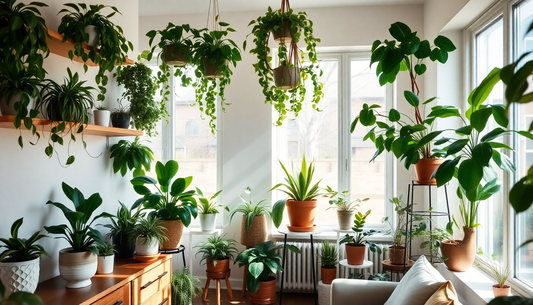
The living room is often the heart of the home, making it an ideal space for showcasing your plant collection. Large statement plants can anchor corners or frame windows, while smaller plants on shelves or tables add layers of greenery. Consider creating a plant-focused wall as a focal point opposite your seating area, drawing the eye and creating a calming backdrop for relaxation.
Tall plants like fiddle leaf figs, rubber plants, or bird of paradise work beautifully in living rooms, creating vertical interest and filling empty corners. Pair these statement plants with smaller specimens on side tables or shelves to create a balanced, intentional arrangement.
Bedroom Plant Displays
Bedrooms benefit from the calming presence of plants, but displays should be thoughtfully arranged to avoid creating a cluttered feeling. Consider placing plants on nightstands, dressers, or floating shelves at eye level when lying in bed. Trailing plants above the headboard create a serene, nature-inspired backdrop that promotes relaxation.
Choose plants known for air-purifying properties, such as snake plants or pothos, to enhance the bedroom's air quality and contribute to better sleep. Avoid placing plants directly on the floor where they might be knocked over, and ensure they don't obstruct windows or create dark corners.
Kitchen and Dining Area Displays
Kitchens and dining areas are perfect spaces for herb gardens and culinary plants. Display fresh herbs in small pots on windowsills or floating shelves near cooking areas for easy access while preparing meals. Herbs like basil, rosemary, and thyme not only look beautiful but also provide practical benefits.
For dining areas, consider placing a statement plant on a sideboard or console table to create visual interest. Trailing plants can be suspended above dining tables, creating a natural canopy that defines the dining space while maintaining clear sightlines.
Bathroom Plant Displays
Bathrooms offer unique opportunities for plant display, thanks to their typically high humidity levels. Moisture-loving plants like ferns, pothos, and peace lilies thrive in bathroom environments. Display these plants on shelves, windowsills, or hanging from ceiling hooks to create a spa-like atmosphere.
Ensure adequate ventilation in bathrooms to prevent mold growth, and choose plants that tolerate lower light conditions if your bathroom lacks natural windows. Bathroom plant displays can transform these utilitarian spaces into serene, nature-inspired retreats.
Home Office Plant Displays
Plants in home offices boost productivity, reduce stress, and improve air quality—all essential for a healthy work environment. Display plants at eye level on shelves or desks to provide visual interest during work breaks. A tall plant in the corner creates a natural room divider, while smaller plants on shelves add personality without cluttering your workspace.
Choose low-maintenance plants that don't require constant attention, allowing you to focus on work without distraction. Spider plants, pothos, and snake plants are excellent choices for office environments.
Seasonal Plant Display Strategies
Plant displays can evolve with the seasons, keeping your home fresh and aligned with natural cycles.
Spring Displays
Spring is the perfect time to refresh your plant displays with new growth and vibrant colors. Introduce flowering plants like orchids, African violets, or begonias to add pops of color. Rearrange existing plants to take advantage of increased natural light, and consider moving plants outdoors to patios or balconies as temperatures warm.
Summer Displays
Summer allows for bold, lush plant displays that celebrate the season's abundance. Create tropical-inspired arrangements with large-leafed plants like monsteras or anthuriums. Move plants to outdoor spaces to create green rooms on patios or balconies, extending your living space into nature.
Fall Displays
As daylight decreases in fall, adjust plant displays to maximize available light. Move plants closer to windows and consolidate displays to create cozier arrangements. Introduce plants with warm-toned foliage or incorporate dried grasses and branches for seasonal texture.
Winter Displays
Winter displays should focus on plants that thrive in lower light conditions and create warmth through their presence. Evergreen plants and those with interesting foliage patterns become more prominent. Consider adding decorative elements like fairy lights or candles around plant displays to create a warm, inviting atmosphere during darker months.
Lighting Considerations for Plant Displays
Proper lighting is essential for both plant health and display aesthetics.
Natural Light Optimization
Position plants to take advantage of natural light from windows, considering the direction and intensity of sunlight throughout the day. South-facing windows provide bright, direct light ideal for sun-loving plants, while north-facing windows offer gentle, indirect light suitable for shade-tolerant species.
Use reflective surfaces like mirrors to bounce natural light toward plants in darker corners, and consider sheer curtains to filter intense afternoon sun that might scorch delicate foliage.
Supplemental Grow Lights
For plants in low-light areas, supplemental grow lights ensure healthy growth while creating beautiful nighttime displays. Modern LED grow lights are energy-efficient and come in various color temperatures. Position grow lights above or beside plants to mimic natural sunlight, and use timers to maintain consistent light cycles.
Decorative Lighting
Beyond functional grow lights, decorative lighting can enhance plant displays aesthetically. String lights woven through plant arrangements create magical, intimate atmospheres. Uplighting from below highlights plant silhouettes, while spotlights draw attention to statement plants.
Styling Tips for Cohesive Plant Displays
Creating a cohesive plant display requires thoughtful consideration of design principles and personal style.
Color Coordination
While plants are primarily green, their varying shades and the colors of their containers create opportunities for color coordination. Develop a color palette that complements your existing décor, choosing containers in colors that harmonize with your walls, furniture, and accessories.
Consider the undertones of your plants' foliage—some greens lean toward blue, while others tend toward yellow. Select container colors that enhance these undertones, creating a sophisticated, intentional aesthetic.
Texture and Pattern Mixing
Combine plants with different leaf textures and patterns to create visual interest. Pair smooth-leafed plants like pothos with textured varieties like rex begonias or calatheas. Mix solid-colored containers with patterned ones, but ensure the overall composition feels balanced rather than chaotic.
Scale and Proportion
Maintain appropriate scale and proportion in your displays by pairing large statement plants with smaller specimens. Avoid clustering plants of similar sizes, which can create a monotonous appearance. Instead, create visual flow by varying heights and sizes throughout your arrangement.
Negative Space
Don't overcrowd your displays. Negative space is essential for creating a sophisticated, intentional aesthetic. Allow room for plants to breathe, and resist the urge to fill every available surface. A thoughtfully sparse arrangement often has more impact than a densely packed one.
Maintenance and Care for Displayed Plants
Proper care ensures your displayed plants remain healthy and beautiful.
Watering Strategies
Establish a consistent watering schedule appropriate for each plant species. Group plants with similar water requirements together to simplify maintenance. Use saucers or trays under pots to protect surfaces from water damage, and ensure adequate drainage to prevent root rot.
Humidity and Air Circulation
Maintain appropriate humidity levels for your plants, especially in dry climates or during winter months. Mist plants regularly, group them together to create a more humid microclimate, or use a humidifier in rooms with multiple plants.
Ensure adequate air circulation around plants to prevent fungal issues and promote healthy growth. Avoid placing plants in stagnant corners, and periodically rotate them to encourage even growth.
Cleaning and Grooming
Regularly clean plant leaves to remove dust and allow optimal photosynthesis. Use a soft, damp cloth or specialized leaf-cleaning products designed for plants. Remove dead leaves and spent flowers to maintain a neat appearance and redirect the plant's energy toward healthy growth.
Pest Management
Monitor displayed plants regularly for signs of pests or disease. Early detection and treatment prevent infestations from spreading to other plants. Use organic pest management methods whenever possible to maintain a healthy indoor environment.
Creating a Plant Display Plan
Developing a comprehensive plan ensures your plant displays are successful and sustainable.
Assessing Your Space
Begin by evaluating your home's lighting conditions, humidity levels, and available space. Identify areas with bright, indirect light suitable for light-loving plants, as well as shadier corners where shade-tolerant species can thrive. Consider traffic patterns and how plant displays will interact with your daily life.
Selecting Appropriate Plants
Choose plants that match your space's conditions and your lifestyle. If you travel frequently or prefer low-maintenance options, select hardy species like snake plants or pothos. If you have ample time for plant care, you can experiment with more demanding varieties.
Budgeting and Sourcing
Determine your budget for plants and containers, and research reputable nurseries and plant retailers. Consider starting with a few statement plants and gradually expanding your collection as you develop confidence in plant care.
Creating a Timeline
Develop a timeline for implementing your plant display plan. Rather than purchasing everything at once, introduce plants gradually, allowing time to assess how they perform in your space and adjust your approach as needed.
Inspiration from Design Styles
Different interior design styles offer unique approaches to plant display.
Minimalist Plant Displays
Minimalist design emphasizes simplicity and intentionality. Display a few carefully selected plants in neutral containers, focusing on clean lines and uncluttered spaces. A single statement plant in a minimalist room can have more impact than multiple smaller plants.
Bohemian Plant Displays
Bohemian style celebrates eclecticism and natural elements. Mix various plant sizes, container styles, and display methods. Incorporate macramé hangers, woven baskets, and vintage containers to create a relaxed, artistic aesthetic.
Industrial Plant Displays
Industrial design pairs